
Author: Abby Graham
If you’ve been anywhere near TikTok lately, you’ve probably heard something about the women behind The Secret Lives of Mormon Wives. And if you haven’t, here’s what you need to know—because this story is messy, and not in a fun way.
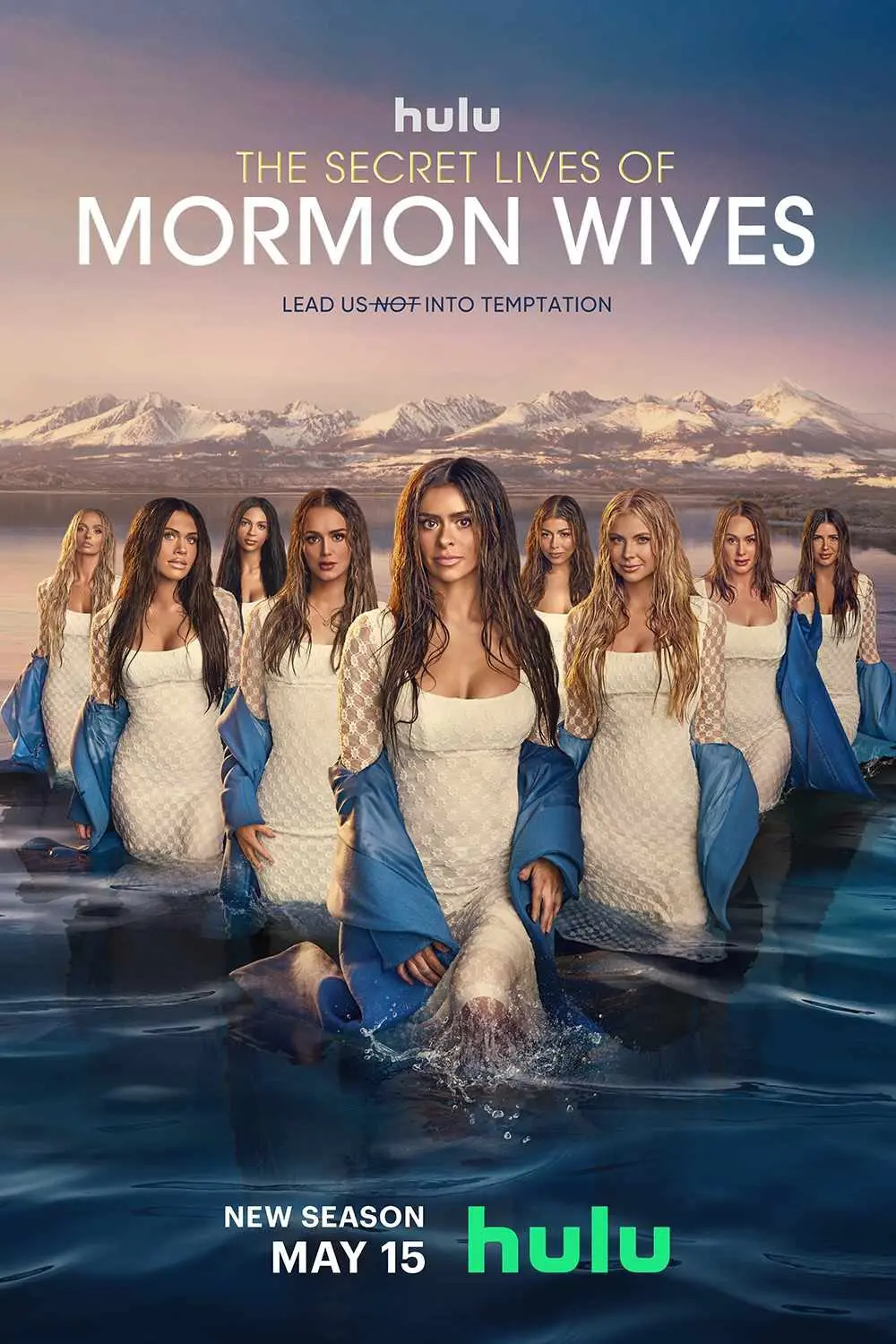
It all started with a group of Mormon moms who became popular on TikTok. People called them “MomTok.” They posted videos about motherhood, marriage, and everyday life—matching outfits, dancing in kitchens, kids running in the background, RSV dances. It looked so sweet, like if a Relief Society meeting had a ring light and a brand deal. At the center was Taylor Frankie Paul, alongside Whitney Leavitt, Mayci Neeley, Mikayla Matthews, Jennifer Affleck, Demi Engemann, and Jessi Draper. Most of them were connected through church, friendships, and influencer spaces in Utah. TikTok brought them together, but it also made sure that every small disagreement had an audience. Because when your friend group is also your content, nothing stays private. A small argument turns into a soft launch of a feud, and suddenly everyone watching feels like they’re part of it.

Most people remember the swinging scandal (video linked below), when Taylor went online and admitted that people in the group were involved in soft swinging. Which, for a community that doesn’t drink coffee, was a plot twist nobody saw coming. That moment alone changed everything. What used to look like a tight-knit group suddenly felt fragile, and the internet leaned all the way in.
As Taylor’s platform grew, so did the opportunities around her. By fall 2025, she had been cast as the lead in a version of The Bachelorette (promo linked below), a move that surprised a lot of people because she wasn’t part of the traditional franchise pipeline. The entire season was filmed—dates, eliminations, and even an engagement. And then, before anyone could watch it, the show was pulled. Reports say the decision came after footage resurfaced of a 2023 altercation between Taylor and her ex (video linked below), Dakota Mortensen, leading the network to pause the project amid legal and public concerns. At the same time, production connected to the MomTok Hulu series was also paused because of an ongoing investigation involving both of them. So while TikTok focused on drama, the actual reason behind the cancellation was far more serious than just reality TV chaos.

Still, the internet didn’t wait for official episodes to tell the story. Even though the season never aired, spoilers spread quickly. Reports claim Taylor got engaged to a contestant named Doug Mason during filming (TikTok linked below), only for the relationship to end not long after production wrapped. At the same time, coverage connected to the show includes claims that she and Dakota spent one last night together before she left to film, though both sides describe that situation differently. The result is a timeline that feels insane: filming a dating show, getting engaged, ending that engagement, and reconnecting with an ex—all before viewers even had the chance to watch it unfold. There has also been speculation that Taylor “spoiled” her own season, but reporting suggests the cancellation was tied more directly to the resurfaced incident and its fallout, rather than any traditional reality TV spoiler.
While Taylor’s story has taken center stage, the rest of MomTok has continued to shift in its own ways. Relationships have changed, friendships have fractured, and individual storylines have started to branch off. At this point, it feels less like a single friend group and more like a collection of overlapping brands, all connected by a shared origin story and a lot of unresolved tension. One minute it’s coordinated TikTok dances, the next it’s cryptic posts about loyalty and “girl code” with the comments turned off.
What makes this situation especially compelling is the constant balancing act happening underneath it all. There’s an expectation of presenting a polished, family-centered image while also participating in an influencer culture that thrives on vulnerability, conflict, and constant visibility. It’s like trying to keep everything perfectly together while also knowing that the algorithm rewards you the second things fall apart. Even small details highlight that contrast—like avoiding coffee and tea, but fully embracing a 44-ounce “dirty soda” with three syrups and a splash of cream. The rules exist, but so do the loopholes, and the internet notices all of it.
In the end, MomTok isn’t really one unified group anymore. It’s a network of people whose lives, brands, and conflicts continue to overlap in public. As of now, production on future seasons is paused, and new projects and spin-offs are already being discussed. But whether the friendships at the center of it all will ever fully recover is unclear. What is clear is that the story isn’t going anywhere. Because even if the group changes, the content remains—and once something becomes part of the internet, it doesn’t really disappear.
Abby Graham | Digital Media Director