
Author: Taryn Walters
Sampling has been used across all genres of music since 1971, when alt rock artist John Kongos first used a drum sample in his song, “He’s Gonna Step on You Again.” Hip-Hop then widely popularized its usage in the 80s.
Sampling in music is the addition of a small portion of a sound recording to a song. It can be from any type of media, and range from rerecorded guitar riffs, beats, and melodies from other songs, to audio from movie scenes, speeches, and phone calls.
Many popular and successful songs include samples. Madonna repeats the synth at the beginning of ABBA’s “Gimme! Gimme! Gimme! (A Man After Midnight)” in her song, “Hung Up,” and, “Luther” by Kendrick Lamar (ft. SZA) pays tribute to Luther Vandross (ft. Cheryl Lynn) on “If This World Were Mine” — which was recently awarded Record of the Year at the 2026 Grammy Awards Show.
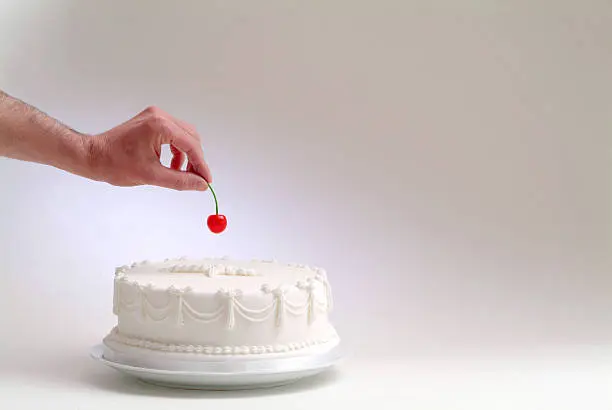
While these songs are well-loved, sampling itself is actually quite controversial within the music community. Many people oppose it, saying that it’s lazy, unoriginal, uncreative, and in some cases, a cash-grab. I think there’s some truth in that, but if done right — it can make a song even better, giving it that ‘cherry on top.’
I have differing opinions on sampling music versus using samples of other media forms.
When sampling music, I enjoy when the artist can take an iconic melody, riff, drum line, etc., and turn it into something of their own — not when they keep the instrumental the same and put new lyrics over it. At that point, it becomes a rip off of the song they took it from, and even if the other artist approved it, the track becomes dull, unoriginal, and lacks a ‘personal touch.’ A well-known example of this is “Ice Ice Baby” by Vanilla Ice.
Another thing I don’t like is interpolating music, which is very similar to sampling. Interpolation is essentially taking something from another song and slightly changing it. While it may be legal, I would still consider it stealing, sometimes without the original artist’s permission (since all that is needed is a license from the composition owner). An example of interpolation is “A Bar Song (Tipsy)” by Shaboozey, in which he took some of the lyrics from “Tipsy” by J-Kwon and made it into a country song. Shaboozey’s song received massive awards and nominations, while J-Kwon’s original song didn’t — and couldn’t. To me, it’s unethical.
On the other hand, I really enjoy when artists incorporate other media forms, such as movie clips or speeches, into their music. They can help the song convey a specific message, set the mood/tone, and tell a story. These clips are used a lot in the alternative music that I listen to, especially in the more extreme genres (beatdown hardcore, death metal, etc.).
—
One of my current favorite songs does just that. “Intro” by Conditioned2Die, starts off with a distorted, atmospheric guitar that gives the song a gloomy and eerie mood.
“Cause guess what? As far as I know I’m already dead. Which means… I’m waiting for your sorry ass in the afterlife.”
This sample works as a build-up for what’s to come, playing just as the instruments slowly come to a stop. And when the clip is over, they hit you with crisp drums and thick, heavy guitar, blasting you into an incredible instrumental song. This quote is from Spawn, an animated TV series that was released in the late 90s.
—
The recording added in “Sanity Slip” by Sanity Slip is a vital scene from Princess Mononoke (1997), a Studio Ghibli film. It’s quite similar to the Spawn clip, as they are both characters with deep, gravelly voices.
“Disgusting little creatures. Soon all of you will feel my hate… and suffer as I have suffered.”
These were the last words spoken by Nago, a god and the head of the Boar Clan. At first, he was a respected leader and protected the forest from humans in Iron Town who were destroying it to gather resources. Yet, still, he gets struck by an iron bullet shot by a human and transforms into an evil demon boar, filled with malice and hatred against their kind. This movie does a fantastic job of showing how there is no true ‘good vs. evil’ — both sides did commit immoral acts, but they did it to survive and protect their kind.
This song is the first off a 5-track long EP, which was released earlier this year. The EP is filled with themes of anger, grief, revenge, and liberation from someone who continuously hurt you. In my interpretation, this connects with Nago’s story. The humans attacked his territory over and over again, and he was left with those same feelings after being struck down for the last time. As he is letting go of the world, he wishes karma upon those who caused him pain, which captures a very human experience — one that is expressed throughout the record.
—
A more unique sample is present at the beginning of “You Will Never Be One of Us” by Nails, and the phrase would land itself as the title for their 3rd album.
“You will never be one of us… You will never be one of us… You will never be one of us… You will never be one of us… You will never be one of us…”
This sample isn’t from any other media sources, it’s just recorded audio of members of several well-known hardcore punk and metal bands saying the same line. In a behind-the-scenes of making the album video, the band explains the meaning behind that motto. “Whatever it is that you dedicate yourself to, whatever it is that you have a passion for, there’s social climbing people.” In their case, they’re discussing the alternative music community. The culture is meant to be inclusive for those who are there to create and consume meaningful art, not those with selfish motives. “You can try as hard as you want, but we know who you are, and you will never be one of us.”
—
“I Do Think of You in September” by beforeyouleave uses a sample from the character Red in The Shawshank Redemption (1994). Red was in prison for murder, and had served 40 years before being released. He met with the board of parole commissioners twice before his final meeting, where he said:
“What do you really wanna know? Am I sorry for what I did?” Well, are you?
“There’s not a day goes by I don’t feel regret. Not because I’m in here or because you think I should. I look back on the way I was then, a young, stupid kid who committed that terrible crime. I want to talk to him.”
The first two times he met with them, he gave them what they wanted — a well thought out, remorseful apology and promise that he changed, to which each time they rejected him. The third time, however, they approved him. Because in this scene, Red was candid, honest, and reflective; that’s how the commissioners knew that he was truly remorseful.
In my interpretation, the song is about being with someone who really hurt you, and how that lives on with you forever. While these are two different situations, Red admitted that he made a horrible mistake, and he lives with the consequences every single day. I love it when there’s parallels between the sample and the lyrics — it’s truly art.
There are so many great songs with samples out there. When done well, it shows how different forms of media can converge with music to make something incredible. So next time you hear a sample in a song, I invite you to research where it came from! You never know what you might find, and it could give you an entirely new perspective on the song and its meaning.
Taryn Walters | Music and Arts Reporter